
We are open to the public - DETAILS HERE
Seeking Dog Fosters - Apply Here
Limited visitation for cats. See Details HERE
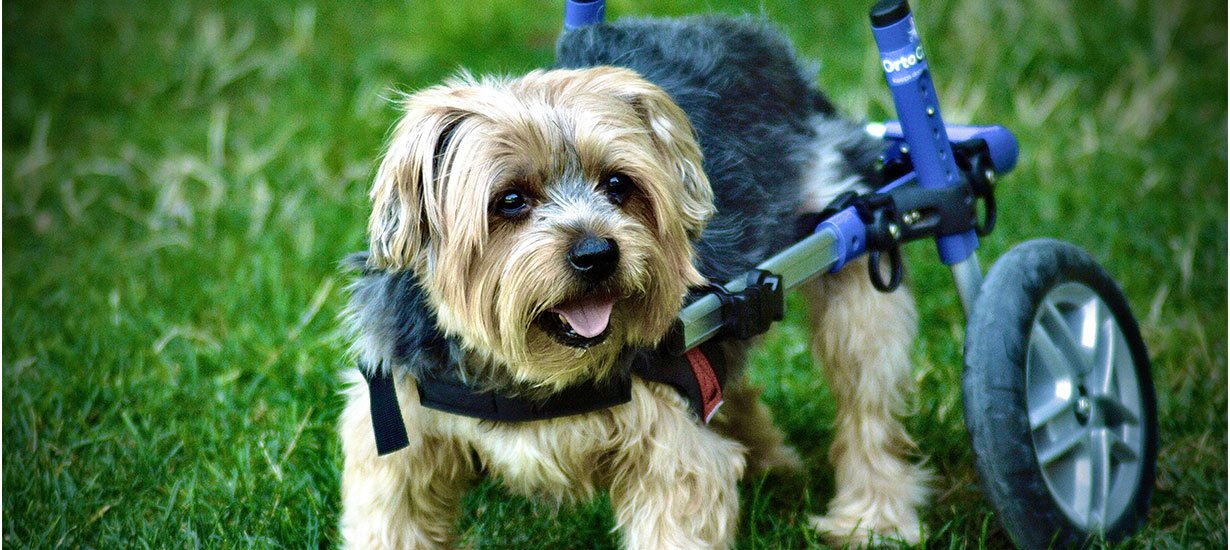
Some dogs need a little more from their adopters. That might mean ongoing medical care, an experienced approach to training, extra structure at home, or an environment suited to their individual needs.
At the Etobicoke Humane Society, dogs with additional care or behavioural requirements are identified so prospective adopters can better understand the commitment before applying. These dogs can make wonderful companions when matched with a home prepared to give them the care, patience and consistency they need.
Every dog is different. A special need does not necessarily mean that a dog requires intensive or lifelong care. It means there are additional considerations that prospective adopters should understand before deciding whether the dog is the right fit for their home.
Depending on the dog, these needs may include:
The dog's profile will provide information about their individual needs, and our team will discuss them with prospective adopters in greater detail during the adoption process.
Adopting a dog with additional needs can be incredibly rewarding, but finding the right match is important for both you and the dog.
Before applying, consider whether you have the time, experience, home environment and resources to provide the care described in the dog's profile.
Some dogs may require medication, ongoing veterinary appointments, a special diet or monitoring of an existing medical condition. Our team will explain any known medical requirements so that you understand the expected care before making an adoption decision.
It is also important to consider the potential ongoing costs associated with a dog's medical needs and discuss them with your veterinarian when appropriate.
Some dogs benefit from an adopter who has previous dog experience and is comfortable providing structure, consistency and continued training.
A dog may need help managing certain environments or situations, building confidence, maintaining skills learned while in our care, or avoiding known triggers. Where appropriate, our team can provide information about the strategies and training that have been successful with the dog so you can continue that work at home.
Sometimes a dog's needs are less about medical care or training and more about finding the right environment.
A quieter home, secure outdoor space, adults or older children, limited interaction with other animals, or a particular activity level may make an enormous difference in helping a dog thrive.
These requirements aren't about finding a "perfect" adopter. They're about finding a home where the individual dog has the best opportunity to feel safe, settle in and succeed.
Moving into a new home is a major transition for any dog. For a dog with additional needs, patience and consistency can be especially important during the first days and weeks.
Give your new dog time to become familiar with their surroundings and establish a predictable routine. Follow the care, management and training recommendations discussed during the adoption process, and avoid introducing too many new experiences at once.
Progress may take time. Allowing your dog to adjust at their own pace can help build confidence, trust and a strong relationship with their new family.
A dog with special needs may require additional planning, patience or care, but that doesn't define who they are.
They are playful dogs, affectionate dogs, adventurous dogs, couch companions and loyal friends. Their additional needs are simply one part of understanding how to give them the life in which they can thrive.
If you've found a dog you're interested in adopting, read their profile carefully and consider whether their needs are a good match for your experience, lifestyle and home.
Our team will help you understand the dog's individual requirements and determine whether the match is right for everyone.
Ready to meet the dogs currently in our care? Explore our adoptable dogs and look for the Experienced Adopter badge on profiles where additional experience or care may be required.
If a particular dog catches your eye, their profile is the best place to start. From there, you can learn more about them and begin the adoption process.